November 7, 2026
Artificial Roofing Setup Tips for Houses Exposed to Snow and Wind
By @alexisdrup335
Homes that encounter long winters, wandering snow, and hard seasonal wind need more than a roof that looks good from the road. They require a roofing assembly that sits tight when gusts start prying at edges, sheds snow without producing persistent ice issues, and manages freeze-thaw cycles year after year. That is where synthetic roofings have actually made actual regard in the field.
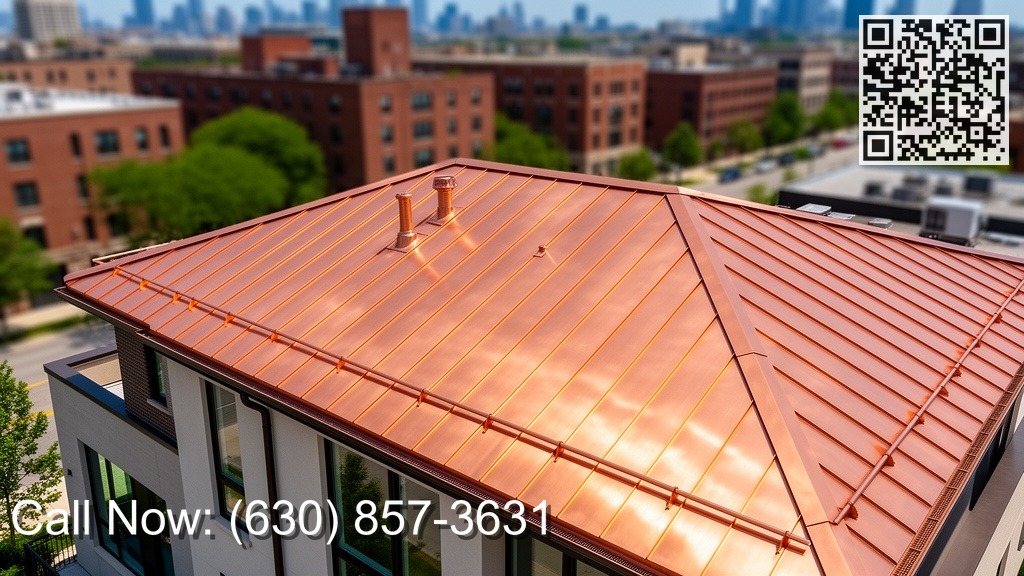
I have seen lots of attractive roofs fail early, not since the product itself was inadequate, yet due to the fact that the installation did not represent neighborhood weather. A high roofing system in an open neighborhood acts differently than a protected roofing under fully grown trees. A valley that works penalty in a moderate environment can come to be the powerlessness after a hefty Chicago snowfall followed by an abrupt warmup and refreeze. With building artificial roofing, the details matter as much as the product label.
For house owners considering property synthetic roof covering, specifically in places with wintertime direct exposure like north Illinois, the conversation needs to go well beyond color and profile. Costs synthetic roof can resemble slate, cedar shake, or developer roof shingles perfectly, yet efficiency originates from the whole system: deck problem, underlayment, flashing, bolt pattern, air flow, and setup techniques tailored to wind and snow load.
Why artificial roof covering has ended up being a major alternative in severe climates
Synthetic roofing roof shingles are no longer dealt with as a particular niche product. The far better products have grown considerably in the last years. They are lighter than all-natural slate, usually much more dimensionally regular than wood, and less complicated to set up accurately when the crew understands the producer's specifications. For homes subjected to wind, that consistency matters. Uneven thickness and variable splitting, which can complicate installation with some all-natural materials, are less of a concern with durable synthetic roofing systems.
Weight is an additional practical advantage. A home may like the appearance of slate, however not every roofing structure wants the load of true stone, particularly when a number of inches of damp snow are added top. Synthetic roof covering replacement often becomes attractive when home owners want a premium profile without pricey structural reinforcement. On personalized constructs and synthetic roofing for luxury homes, that versatility opens design options that would certainly or else be harder to justify.
That said, not all artificial roofings are equivalent. There is a wide variety in polymer blends, UV security, influence rankings, fire scores, and accessory offerings. One synthetic roof covering firm may carry products aimed at cost-conscious projects, while an additional focuses on premium synthetic roof covering with matching ridge, starter, and hip components. In snow and wind region, those distinctions appear sooner.
Start with the roof style, not simply the material sample
The greatest blunder I see is treating artificial roofing setup like a basic material swap. A roofing in a harsh climate should be intended as a weather condition management system. Before a solitary package or pallet arrives, the contractor should assess roofing pitch, overhang deepness, valley design, smokeshaft infiltrations, soffit intake, ridge exhaust, and how snow generally crosses the roof plane.
Wind exposure should have sincere attention. A home on a wide corner whole lot, a ridge, or near open farmland sees uplift stress really in different ways from a home put amongst neighboring structures. If the home has several gables, dormers, and long eaves, those edges and changes come to be high-risk zones. That is where a knowledgeable synthetic professional roofer will certainly usually invest extra time on fastening layout and flashing details.
Snow produces a different set of problems. It lots valleys, piles behind smokeshafts, and thaws erratically where attic room warmth escapes. In the Chicagoland area, freeze-thaw biking can be unrelenting. A roof that warms during the day and secures once again overnight will evaluate every joint, nail placement, and blinking bend. An artificial professional roofer Chicagoland property owners trust must discuss those dynamics early, not after the price quote is signed.
Deck condition makes a decision more than the majority of homeowners realize
Synthetic products are forgiving somehow, yet they are not a cover-up for an exhausted roof covering deck. If the decking has soft spots, side rot, delamination, or uneven planes, those problems have a tendency to telegram into the finished roofing system or minimize bolt holding power. In solid wind, that is not an aesthetic problem. It is an architectural one.
During artificial roof covering substitute, insist on a complete deck examination after tear-off. I have seen roofs where the old material looked serviceable from the ground, once eliminated, numerous sheets near valleys and eaves were jeopardized from years of small leak and condensation. Changing those sections added cost in the moment, but it avoided a much bigger fixing later.
Fastener retention depends upon audio substratum. When makers specify precise nail size, placement areas, and infiltration depth, they are not loading the direction sheet with lawful language. They are attempting to ensure the set up roof covering can satisfy the expected wind score. A synthetic roofing installers crew that rushes this step can threaten a very good product.
Underlayment is where cold-climate roofs silently be successful or fail
Homeowners typically focus on the visible roofing material, but in snow country the underlayment does a massive quantity of work. Water does not always relocate straight downhill. Wind-driven snow can push dampness upward under subjected edges, and ice dams can force meltwater back below the main roof covering covering.
On homes subjected to snow, I usually like to see a durable ice and water membrane layer at eaves, valleys, around smokeshafts, around skylights, and in other leak-prone shifts. Depending upon local code, roof covering geometry, and historical weather intensity, many specialists will certainly expand that membrane well past the minimal code line. On the balance of cost versus security, that is generally cash well spent.
In more comprehensive field locations, a quality synthetic underlayment can include tear resistance and short-lived dry-in protection, specifically during unpredictable winter season organizing. When an artificial roof covering business states the roof covering system includes underlayment, ask which one, where it is being utilized, and why. "System" is among those words that sounds calming until you pin down the actual components.
Wind resistance boils down to edges, securing, and discipline
When wind damages a roofing system, the failure commonly starts at the boundary. Corners, rakes, eaves, ridges, and subjected changes take the initial hit. As soon as wind obtains under a weak edge, the pressure can take a trip quick. I have seen roof coverings lose just a few items in the beginning, then open considerably in the next tornado because the initial repair disregarded the underlying uplift issue.
That is why side metal, starter training courses, and bolt positioning require to be exact. A specialist artificial roofing contractor will not "eye it" when the supplier offers a required nailing zone. If a product calls for six nails per item in a high-wind application, using four because it really feels ample is not craftsmanship. It is a gamble.
This is also where training matters. Some roofing professionals are superb with asphalt but less accustomed to building artificial roof accounts that have various exposure lines, securing attributes, or accessory items. Artificial roofing system installers require to comprehend the details item on the truck that day, not synthetic roofing in the abstract.
A couple of setup points deserve unique attention on gusty, snowy homes:
- Reinforce eaves, rakes, and corners according to the manufacturer's high-wind requirements.
- Use the specific bolt type, length, and amount defined for the deck and product.
- Install starter, hip, and ridge accessories that are created for the roofing line, not improvisated substitutes.
- Keep exposure and placement tight so wind can not make use of irregular gaps or raised edges.
- Verify that flashing and edge metal sequencing routes water out, even if snow supports temporarily.
That short list seems basic, yet in the area, those are the information that divide a roofing that makes it through rough winter seasons from one that becomes a repeating solution call.
Snow losing is excellent, up until it creates a brand-new hazard
One underappreciated function of several artificial roofings is how efficiently they lost snow. Compared to rougher surfaces, some synthetic profiles enable snow to release more easily. That can reduce long term loading, which is handy, but it can likewise create unexpected snow slides over access, decks, walkways, and lower roof covering sections.
This is where item selection and roof covering geometry need to be discussed with each other. On a steep front-facing roof over a busy entry, the proprietor may gain from a snow retention approach. On an additional section, totally free shedding may be more effective to lower hefty buildup. There is no universal answer. An excellent installer weighs safety, aesthetic appeals, and moisture management together.
Homes with numerous converging roof covering aircrafts need extra assumed here. Snow moving from a top roofing can impact a lower area with adequate force to stress flashings, rain gutters, or guards if they are not developed for it. I have actually seen reduced valleys packed hard with snow and ice simply because the top roof unloaded onto them repeatedly all season.
Ventilation still matters, despite having superb materials
Premium synthetic roof covering will not solve attic room warmth discrepancy. If warm indoor air leakages into the attic room or air flow is inadequately balanced, snow can thaw unevenly on the roofing system deck, after that refreeze at chillier eaves. That is how many ice dams begin. The roofing covering gets blamed, yet the root trouble is often inside the structure envelope.
A proper evaluation should check out insulation levels, air securing, soffit intake, befuddles, and ridge or high-exhaust capability. The purpose is a roofing system deck that stays as close as sensible to the outside temperature level in winter season. If that sounds more like building scientific research than roofing, that is since it is. In cool climates, roof covering efficiency rests right at the crossway of both.
For house owners in artificial roof Chicago markets and western suburbs such as synthetic roofing Naperville IL jobs, this is especially relevant due to the fact that winter months weather condition tends to cycle between deep cool, damp snow, thaw, and refreeze. That series penalizes any weak point in air flow or insulation.
Valleys, chimneys, and infiltrations are worthy of better than "common information"
Most leaks do not take place in the broad field of the roofing system. They happen where products change instructions, where water concentrates, or where something jabs with the airplane. Valleys network huge volumes of water and dissolved snow. Smokeshafts disrupt runoff and create drift areas. Pipes stacks, satellite places, skylights, and air vent hoods each include one more chance for dampness intrusion.
I am wary whenever a proposal plays down these areas with generic language. On high-end residential artificial roof covering, especially synthetic roofing for deluxe homes with complicated style, information work is where the installment makes its rate. Counterflashing should be crisp. Saddle flashing behind broader smokeshafts must be taken into consideration where suitable. Valleys need to be constructed with both drain and snow habits in mind.
One practical example: open valleys can perform quite possibly, however they require clean geometry and compatible steels. Closed-cut or woven methods may match various other roofing system kinds better, relying on the product. With artificial roof covering roof shingles that imitate slate or shake, the valley method must match both the product and the environment. There is no factor to require a familiar approach if the manufacturer advises another path.
Cold-weather scheduling can influence setup quality
Winter roofing is feasible, but it needs technique. Some synthetic items deal with low temperature levels better than others. Sealants act differently in the cold. Staff speed goes down when surfaces are icy and daylight is short. That does not immediately imply the task must be postponed, however it does suggest the routine and methods require adjustment.
A skilled synthetic professional roofer need to be honest concerning this. If temperatures are near product limits, if snow cover avoids correct substratum preparation, or if the roof can not be maintained securely completely dry during setup, postponing a day or organizing the work differently might be the smarter step. It is far better to accept a brief hold-up than thrill a long-term assembly under short-term pressure.
The finest staffs prepare for weather condition home windows. They secure exposed areas strongly, phase materials so items stay clean and workable, and stay clear of shortcuts that frequently appear when a tornado is forecast for the next morning.
Choosing the ideal installer matters as much as picking the appropriate roof
People usually ask whether the brand name or the contractor matters much more. In harsh climates, I would say the specialist initially, then the brand, offered the brand is credible. A solid product can be ruined by informal handiwork. A knowledgeable team can make an excellent item perform as meant for decades.
When evaluating an artificial roof covering business, ask details concerns. Have they mounted this specific product prior to? Do they adhere to supplier training or qualification programs? Just how do they deal with ice and water protection in valleys and eaves? What modifications do they create high-wind areas? Can they explain ventilation method in plain language? If the responses stay unclear, keep looking.
A trustworthy specialist also recognizes the aesthetic side. Numerous property owners select building synthetic roof covering because they desire the appearance of slate or cedar without the very same maintenance concern or structural weight. Excellent installers maintain that layout intent by keeping rushing clean, cuts balanced, and accessory pieces regular throughout the roof.
Here are a couple of signs that you are talking to the right team:
- They discuss the roof covering as a system, not just a tile or tile.
- They check outdoor decking, attic air flow, and flashing problems prior to completing scope.
- They can discuss supplier demands without guessing.
- They talk about regional snow and wind actions, not generic national averages.
- They give a clear plan for securing landscaping, gutters, and at risk roof transitions.
That sort of conversation generally informs you more than a shiny brochure ever before will.
Cost, worth, and where exceptional alternatives make sense
Synthetic roofing replacement often sets you back more ahead of time than standard asphalt, yet the value equation is not almost first rate per square. In snow and wind direct exposure, home owners ought to weigh toughness, expected maintenance, visual longevity, structural factors to consider, and insurance coverage implications where applicable.
Premium synthetic roof makes the most feeling when the house design calls for a polished account, when the owner wants reduced upkeep than natural wood, or when all-natural slate's weight develops issues. For some homeowners, the deciding element is visual appeal coupled with storm resistance. For others, it is the ability to get a premium appearance without reconstructing framing to carry a much heavier roof.
Still, costs does not mean overbuilt in every situation. A modestly sized home in a protected setup may not require the most expensive line of product if a mid-tier artificial roof meets the efficiency requirements and the installment is exceptional. Profundity means matching the roofing to your house, not automatically reaching for the top shelf.
A neighborhood viewpoint for snowy, gusty markets
In north Illinois, the difficulty is not simply one weather condition occasion. It is rep. Snowfall, drifting, wind uplift, ice, thaw, moisten snow, then an additional freeze. A roof might look great after one winter months and start revealing stress after the third or 4th if information were missed out on. That is why home owners looking for synthetic roof Chicago professionals or a synthetic roofing contractor Chicagoland team need to favor local experience, particularly with homes that have actually currently endured several winters.
The same chooses rural jobs. A staff doing artificial roof Naperville IL work ought to recognize neighborhood exposure patterns, usual attic problems in the neighborhood housing supply, and how municipal code intersects with manufacturer referrals. Regional knowledge is not marketing fluff when weather is a significant style load.
What a well-installed synthetic roofing must feel like after the very first tornado season
After a proper artificial roof covering installation, the signs are normally subtle. You do not hear pieces rattling in difficult wind. Snow and meltwater step where they should. Attic inspection shows no fresh staining around infiltrations or valleys. Rain gutters are not packed with unusual debris. Edges stay neat, ridges remain aligned, and absolutely nothing concerning the roof covering asks for attention.
That peaceful performance is the objective. The roof ought to not end up being one of the most interesting component of https://conneruokx439.sagecurrent.com/posts/costs-synthetic-roof-options-for-long-term-midwest-roofing-system-efficiency winter season. It needs to simply take care of the season.
For house owners weighing synthetic roof coverings for a snow- and wind-exposed property, the most effective recommendations is simple: pick an item with tried and tested specifications, yet put equivalent energy right into picking the installer and evaluating the details of the setting up. Ask just how the roofing system will manage uplift, wandering, ice back-up, ventilation, and concentrated overflow. Press for specifics. On a tough home, those answers matter even more than an example board in perfect showroom lighting.
When artificial roof are picked thoughtfully and set up with discipline, they can provide an engaging mix of durability, appeal, and sensible performance. That is especially real for household synthetic roofing in environments where winter tests every faster way. A roof does not require to be fancy to be outstanding. In snow and wind country, remarkable typically suggests it is still doing its task long after the tornado has passed.
When Quality Matters
Salvo Architectural Roofing Contractors
566 West 5th Ave Naperville, IL 60563
(630) 857-3631
[email protected]
 Ask ChatGPT
 Ask Grok
 Ask Perplexity
 Ask Claude
 Ask Google AI
 Ask You
❧